 listicle
Authentic Lebanese Dining in South Texas: A Guide
Table of Contents
- What Authentic Lebanese Dining Actually Looks Like
- Your Lebanese Mezze Platter Guide
- Pairing Wine with Lebanese Food
- Fine Dining Mediterranean Cuisine at Blue Eye Bistro
- Live Music, Happy Hour, and the Full Evening Experience
- Who Lebanese Dining in South Texas Is Really For
- Reservations, Online Ordering, and the Rewards Program
- Conclusion
Last Updated: August 23, 2026
What Authentic Lebanese Dining Actually Looks Like
Authentic Lebanese dining is a full sensory experience built around shared plates, fresh herbs, house-made sauces, and hospitality that makes strangers feel like regulars. At Blue Eye Bistro, that definition shapes every dish and interaction. The cuisine draws from centuries of tradition: slow-roasted meats, hand-rolled grape leaves, cold-pressed olive oil, and perfected spice blends. This guide covers what separates the real thing from generic Mediterranean menus, how to order a proper mezze spread, and what Lebanese dining in South Texas looks like when done right.
Many restaurants slap "Mediterranean" on the menu without connection to the culinary traditions behind it. Authentic Lebanese dining differs in structure, flavor, and intention. Below is a practical breakdown of what to look for, what to order, and how to maximize the full dining experience.
Family Recipes vs. Generic Mediterranean Menus
The clearest sign of authentic Lebanese cooking is family recipes passed down through generations. These dishes carry specificity that generic menus cannot replicate. Real tabbouleh is predominantly parsley, not bulgur (peer-reviewed research). Hummus made from scratch has texture and depth that canned versions lack. Kibbeh shaped by hand looks and tastes different from formula-assembled products.
Generic Mediterranean menus rely on broad familiarity, offering hummus and pita because it's recognizable, not because it's made with care. The difference shows in the first bite. When a dish is rooted in family tradition, seasoning is deliberate, balance is intentional, and presentation reflects pride rather than efficiency.
Acoustic vs. Amplified: Getting the Ambiance Right
Volume matters enormously for Lebanese dining, since the experience is fundamentally conversational. Mezze is meant to be shared and discussed. A sound environment that drowns out conversation defeats the purpose.
Acoustic performances using minimal amplification create a soundscape that enhances rather than competes with dining. Jazz and blues at conversational volume add warmth without dominating. Amplified live music shifts a venue toward concert setting, which works for some occasions but not intimate dinners.
The best venues calibrate this deliberately. A pianist playing softly during dinner service creates a different atmosphere than a full band at peak volume. For diners wanting live entertainment without sacrificing conversation, acoustic or lightly amplified sets are the sweet spot.
Your Lebanese Mezze Platter Guide
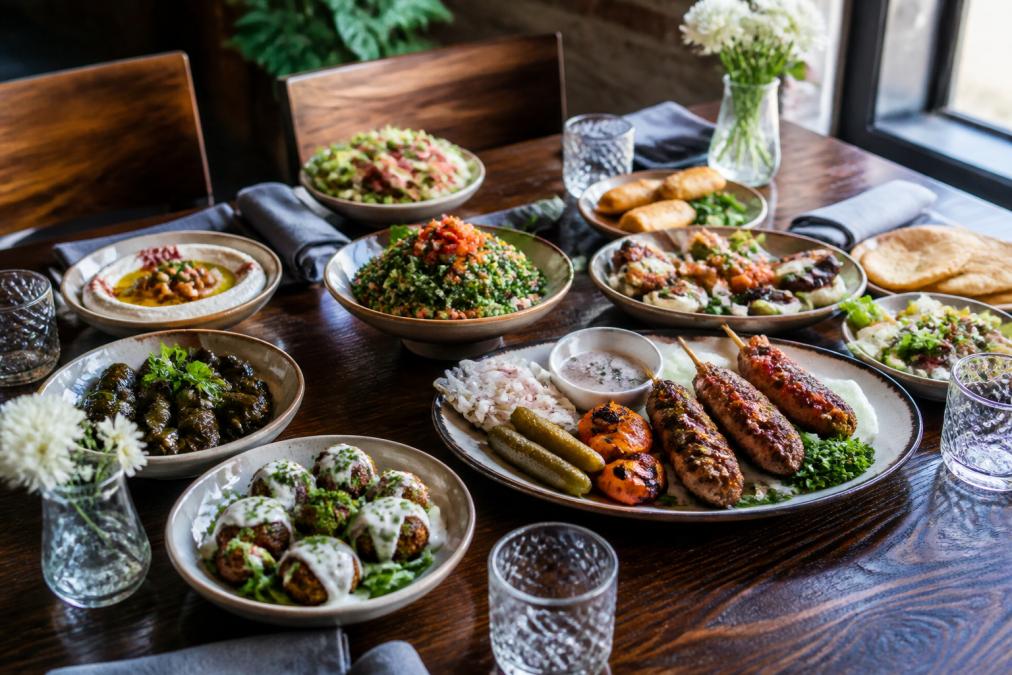
A Lebanese mezze platter is the foundation of the dining experience, a collection of small dishes meant to be shared, sampled, and savored slowly. It is not an appetizer course in the Western sense but the meal itself, and ordering well requires knowing which dishes anchor the spread.
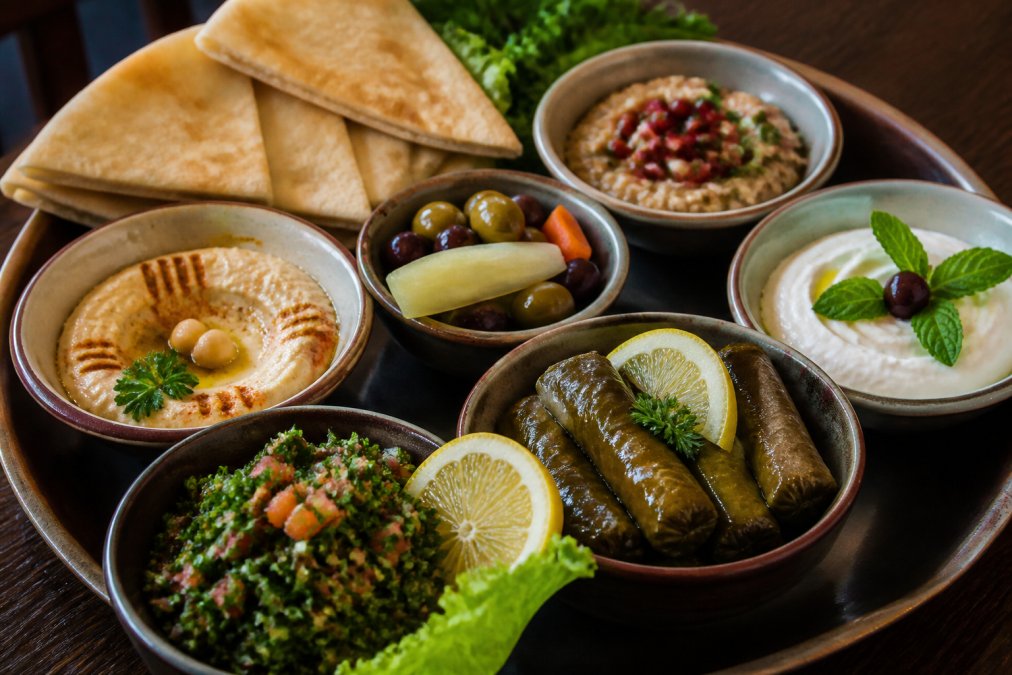
A proper mezze spread balances textures and temperatures: something creamy, acidic, herbed, and warm. Pita bread is the vehicle, not a side dish.
Classic Starters Worth Ordering
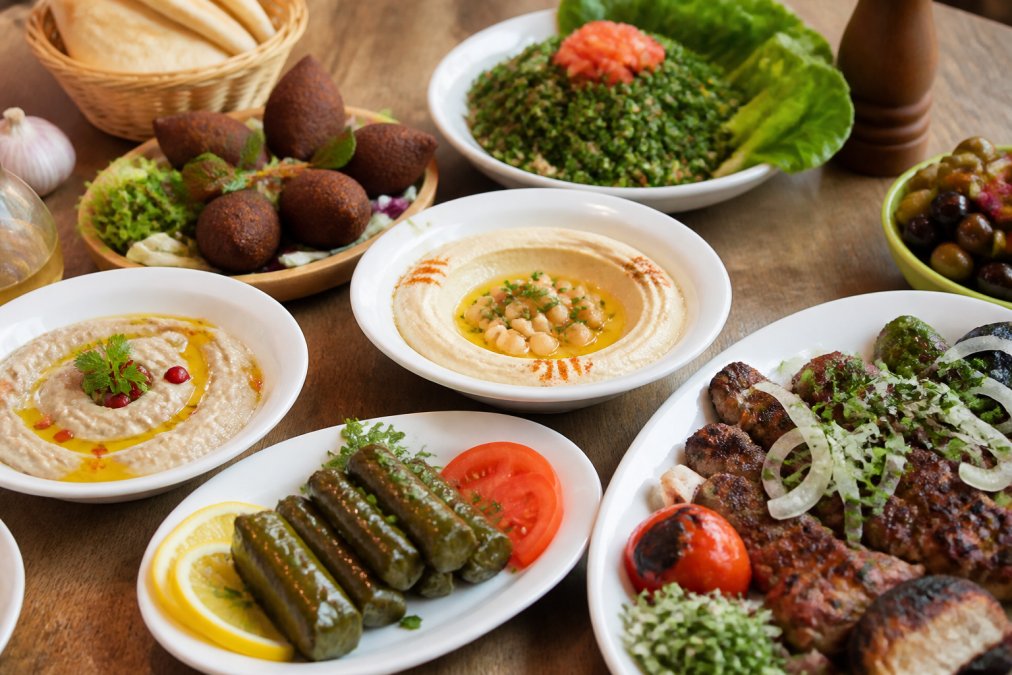
A well-built Lebanese mezze platter includes:
- Hummus made from dried chickpeas, tahini, lemon, and garlic, smooth but not stiff, with genuine depth.
- Tabbouleh with high parsley-to-grain ratio and bright, lemony dressing.
- Stuffed grape leaves rolled tight and served at room temperature with lemon.
- Fattoush, a chopped salad with toasted pita, sumac, and fresh vegetables for crunch and acidity.
- Baba ghanoush, roasted eggplant blended with tahini and lemon, with subtle smokiness.
- Falafel fried to order, crisp outside and herb-green inside.
Each dish serves a purpose. Ordering two or three without the others produces an unbalanced spread.
Dietary-Inclusive Options on the Mezze Table
Lebanese cuisine naturally accommodates different dietary needs. Most classic mezze dishes are plant-based by default, allowing vegetarians and vegans to build a full, satisfying meal without compromise. Hummus, tabbouleh, fattoush, baba ghanoush, stuffed grape leaves, and falafel are traditionally vegan. The cuisine is also naturally gluten-free-adaptable, since many dishes are grain-free or can be served without pita.
For guests with dietary restrictions, the mezze format is genuinely one of the most inclusive dining structures available.
Pairing Wine with Lebanese Food
Pairing wine with Lebanese food follows reliable principles. Lebanese cuisine is built on acidity, herbs, and spice, so wines that are too tannic or heavy will clash.
White wines with good acidity are most versatile. Crisp Sauvignon Blanc or unoaked Chardonnay work well with hummus, tabbouleh, and seafood. The acidity mirrors lemon and herb notes without overwhelming them. Lighter-bodied whites and rosés consistently outperform heavy reds with mezze-style spreads.
For grilled meats and heartier dishes like lamb or kofta, medium-bodied reds with soft tannins perform well. Grenache, Pinot Noir, and lighter Syrah-based wines complement spice profiles without dominating. Dry rosé is arguably the most flexible option across the entire Lebanese menu.
Lebanese wine itself has a long history worth noting. The Bekaa Valley has produced wine for thousands of years, and those regional wines, when available, are often the most harmonious pairing (fao.org). The Levant is one of the oldest wine-producing regions in the world.
Fine Dining Mediterranean Cuisine at Blue Eye Bistro
Blue Eye Bistro is an upscale dining destination in Rancho Viejo that brings together Lebanese and Mediterranean culinary traditions in a setting built for genuine elegance. The restaurant is not approximating fine dining Mediterranean cuisine, it is the experience, built around fresh ingredients, authentic recipes, and handcrafted dishes reflecting real culinary knowledge.
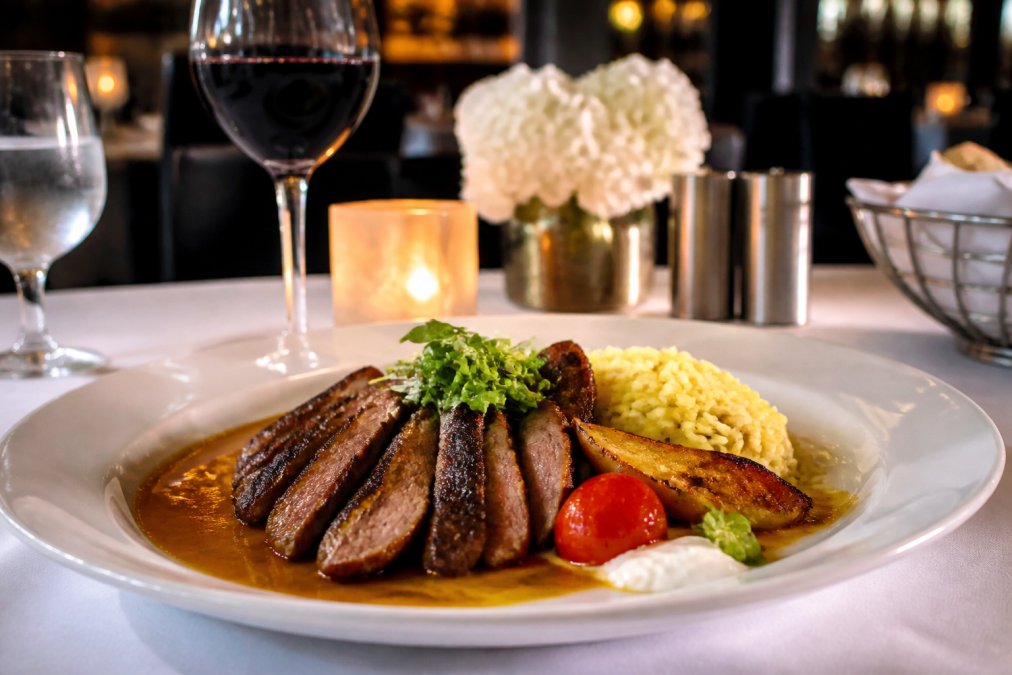
What separates Blue Eye Bistro from generic Mediterranean spots is menu specificity. Family-recipe favorites sit alongside chef-inspired creations, and the kitchen works with premium meats and fresh seafood rather than cutting corners.
The Menu: Premium Meats, Seafood, and Chef-Inspired Plates
The menu covers the full range of Lebanese and Mediterranean dining, from traditional mezze starters through premium entrées. The kitchen blends authentic Lebanese recipes with chef-inspired plates reflecting both culinary tradition and contemporary technique.
Premium meats are a centerpiece. Grilled lamb seasoned with Lebanese spice blends represents the kind of dish requiring both quality sourcing and practiced preparation. Seafood dishes bring coastal Mediterranean influence with fresh ingredients and clean presentation.
The menu incorporates regional South Texas influences, where the culinary identity of Blue Eye Bistro becomes genuinely distinctive. Lebanese and Mexican culinary traditions share more than most expect: emphasis on fresh herbs, citrus, grilled proteins, and communal sharing. The kitchen works with that overlap.
Portions, Value, and What the Price Actually Covers
At Blue Eye Bistro, premium positioning reflects quality of ingredients and preparation rather than reduced quantity. Dishes are designed to satisfy.
The value extends beyond the plate. The carefully selected wine list, handcrafted cocktail menu, warm hospitality, and live music all contribute to what the price covers. Guests are paying for an evening, not just a meal. Pricing details are available through the Blue Eye Bistro website.
Live Music, Happy Hour, and the Full Evening Experience
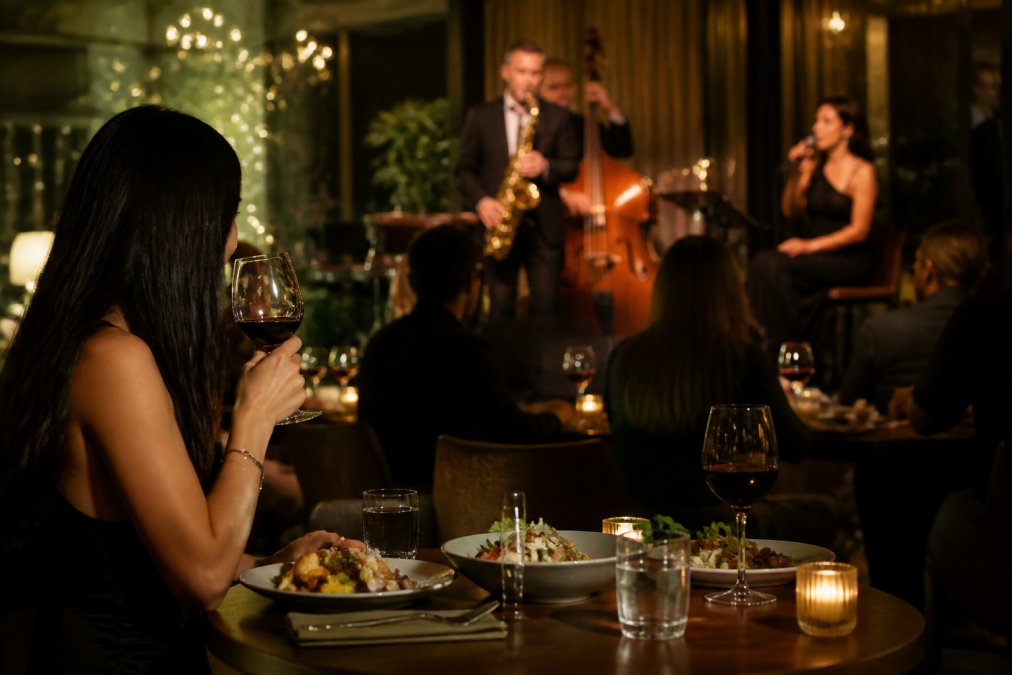
Blue Eye Bistro treats live music as part of hospitality, not background noise. Jazz, blues, and live performances create an atmosphere where conversation flows easily and time passes without notice.
The venue calibrates live entertainment to complement dining rather than compete, allowing guests to hold conversations, enjoy food, and feel live performance energy.
Performance Schedule and Best Times to Visit
Live music performances are scheduled around dinner service, making evening visits the natural choice for the full experience. Weekend evenings are typically most vibrant, when the full cocktail and dining menus are in service.
For quieter experiences, weekday dinner service offers the same menu and hospitality with subdued atmosphere. The performance schedule varies, so checking the Blue Eye Bistro website or contacting the venue before your visit is most reliable.
Patio Seating, Cocktail Menu, and Drink Specials
Patio seating adds a dimension indoor-only restaurants cannot replicate. An outdoor table on a pleasant South Texas evening with live music and a handcrafted cocktail is a specific pleasure.
The cocktail menu uses the same quality attention as the food menu. Handcrafted cocktails with fresh ingredients complement Lebanese and Mediterranean flavors. The happy hour program offers drink specials that make early evening an appealing entry point.
For groups settling in for a full evening, patio seating, happy hour specials, and live entertainment create a natural progression: drinks on the patio, dinner at the table, music through the evening.
Who Lebanese Dining in South Texas Is Really For
Lebanese dining carries an undeserved reputation for exclusivity that discourages guests who would genuinely love the food and atmosphere. The cuisine is inherently communal, generous, and welcoming. Upscale setting formality does not change that.
Experiential dining combining quality food with live entertainment and distinctive atmosphere is among the fastest-growing restaurant segments (peer-reviewed research). Lebanese cuisine, with its emphasis on shared plates and communal hospitality, fits naturally.
Date Nights, Celebrations, and Group Gatherings
Blue Eye Bistro is purpose-built for occasions deserving more than routine dinner. Intimate atmosphere, warm lighting, and attentive service make it ideal for date nights. The mezze format encourages sharing and conversation, creating dynamics that work particularly well for couples.
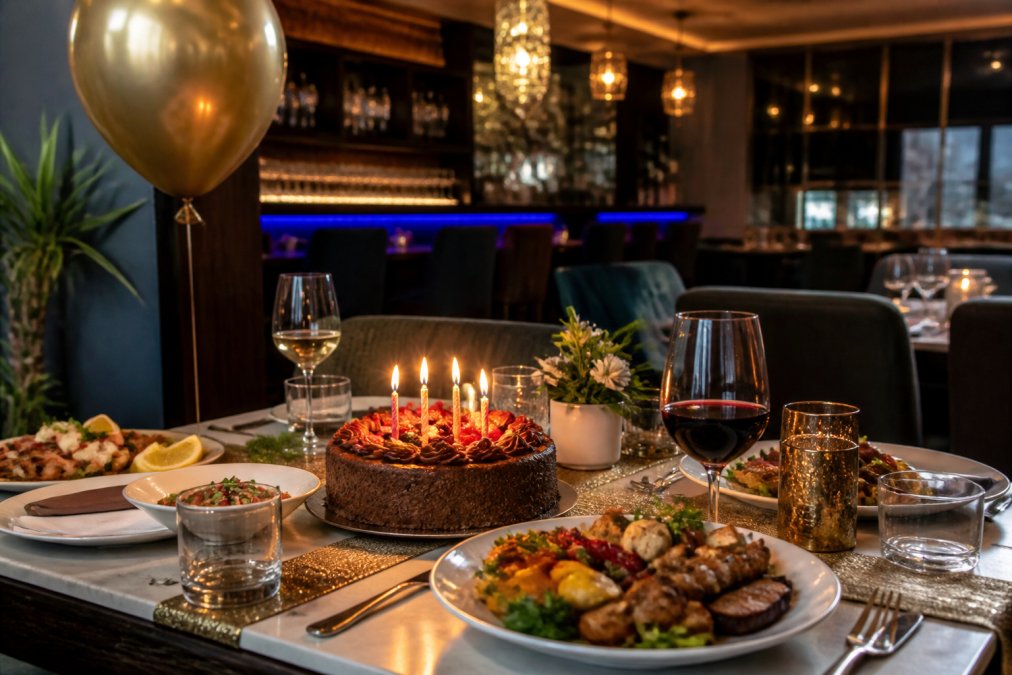
For celebrations, the venue accommodates groups without losing sophistication. Birthday dinners, anniversaries, or milestone gatherings benefit from exceptional food, live music, and hospitality making guests feel genuinely welcomed. Customer Elizabeth G. described it: "Amazing food, service, and atmosphere. The owner and his staff are wonderful and very welcoming."
Business Dinners and Special Occasions
Blue Eye Bistro's sophisticated environment suits professional occasions. Business dinners require venues where conversation is possible, food quality reflects well on the host, and overall experience signals the relationship is worth investing in.
The curated wine list, premium menu, and attentive service cover all requirements. For client meetings or professional celebrations, the venue provides the right backdrop without requiring travel to major metropolitan areas.
Reservations, Online Ordering, and the Rewards Program
Booking at Blue Eye Bistro is straightforward through the website. Reservations are recommended for weekend evenings when the venue is at capacity. Walk-ins are accommodated when space allows, but for guaranteed seating, especially for groups or special occasions, reservations are practical.
Online ordering is available for home dining. The rewards program allows guests to earn points on online orders and redeem them for free food, adding genuine value for regular customers and incentivizing repeat visits.
Full-service catering extends the Blue Eye Bistro experience beyond the restaurant. Customized catering menus are available for various event sizes, with the same commitment to fresh ingredients and authentic preparation. For private events, corporate gatherings, or celebrations requiring catering, the team works directly with clients to build menus fitting vision and budget.
Service quality and sense of welcome are as central to great dining as food itself. That philosophy is evident in how Blue Eye Bistro structures every guest experience.
| Experience | Best For | Format | Booking |
|---|---|---|---|
| Intimate dinner | Date nights, couples | Full table service | Reservation recommended |
| Group celebration | Birthdays, milestones | Full table service | Reservation required |
| Business dinner | Client meetings, professional events | Full table service | Reservation required |
| Happy hour | Casual cocktails, early evening | Bar and patio seating | Walk-ins welcome |
| Catering | Private events, corporate gatherings | Customized menu | Contact venue directly |
| Online order | Takeout, home dining | Digital order | Order via website |
Finding authentic Lebanese dining in South Texas has historically meant settling for approximations. Blue Eye Bistro changes that equation, bringing genuine Lebanese culinary tradition, premium ingredients, live entertainment, and warm hospitality together in a single destination. Whether planning a date night, group celebration, or business dinner, the combination of fine dining Mediterranean cuisine, handcrafted cocktails, and live music makes for an evening worth the reservation. Visit blueeyebistro.com to browse the menu, check the performance schedule, and place your online order.
=== FAQ ANSWERS (audit these too, same rules) ===
[1] Q: What defines authentic Lebanese cuisine? A: Authentic Lebanese cuisine centers on fresh, minimally processed ingredients: house-made hummus, tabbouleh dressed with lemon and olive oil, slow-marinated meats, and mezze spreads built from family recipes. What separates genuine Lebanese cooking from generic Mediterranean menus is the layering of spices like za'atar, sumac, and allspice alongside bright herbs. Dishes are meant to be shared, and the dining experience emphasizes hospitality as much as the food itself.
[2] Q: Are there upscale Lebanese dining options in South Texas? A: Blue Eye Bistro in Rancho Viejo is the standout upscale Lebanese dining destination in the Rio Grande Valley. The menu features authentic Lebanese and Mediterranean dishes prepared with premium meats, fresh seafood, and family-recipe techniques. The setting pairs that culinary tradition with handcrafted cocktails, carefully selected wines, live jazz and blues performances, and an atmosphere suited for date nights, celebrations, and business dinners.
[3] Q: What are the must-try dishes in Lebanese Mediterranean cuisine? A: Start with the mezze: hummus, baba ganoush, tabbouleh, and stuffed grape leaves are the foundation of any authentic Lebanese dining experience. From there, grilled meats marinated in Lebanese spices, fresh seafood preparations, and dishes like kibbeh or fattoush round out the table. At an upscale venue like Blue Eye Bistro, chef-inspired plating elevates these traditional recipes without stripping away their authenticity.
[4] Q: How do I know if a Lebanese restaurant is actually authentic and not just a generic upscale spot? A: Look for menus built on specific Lebanese techniques: house-made mezze rather than pre-packaged dips, meats marinated in traditional spice blends, and dishes that reflect regional recipes rather than a broad 'Mediterranean' catch-all. Genuine hospitality is another signal, Lebanese dining culture treats guests like family. Customer reviews that mention feeling welcomed and the use of family recipes, as guests at Blue Eye Bistro consistently note, are reliable indicators of authenticity.
Frequently Asked Questions
Q: What defines authentic Lebanese cuisine?
A: Authentic Lebanese cuisine centers on fresh, minimally processed ingredients: house-made hummus, tabbouleh dressed with lemon and olive oil, slow-marinated meats, and mezze spreads built from family recipes. What separates genuine Lebanese cooking from generic Mediterranean menus is the layering of spices like za'atar, sumac, and allspice alongside bright herbs. Dishes are meant to be shared, and the dining experience emphasizes hospitality as much as the food itself.
Q: Are there upscale Lebanese dining options in South Texas?
A: Blue Eye Bistro in Rancho Viejo is the standout upscale Lebanese dining destination in the Rio Grande Valley. The menu features authentic Lebanese and Mediterranean dishes prepared with premium meats, fresh seafood, and family-recipe techniques. The setting pairs that culinary tradition with handcrafted cocktails, carefully selected wines, live jazz and blues performances, and an atmosphere suited for date nights, celebrations, and business dinners.
Q: What are the must-try dishes in Lebanese Mediterranean cuisine?
A: Start with the mezze: hummus, baba ganoush, tabbouleh, and stuffed grape leaves are the foundation of any authentic Lebanese dining experience. From there, grilled meats marinated in Lebanese spices, fresh seafood preparations, and dishes like kibbeh or fattoush round out the table. At an upscale venue like Blue Eye Bistro, chef-inspired plating elevates these traditional recipes without stripping away their authenticity.
Q: How do I know if a Lebanese restaurant is actually authentic and not just a generic upscale spot?
A: Look for menus built on specific Lebanese techniques: house-made mezze rather than pre-packaged dips, meats marinated in traditional spice blends, and dishes that reflect regional recipes rather than a broad 'Mediterranean' catch-all. Genuine hospitality is another signal, Lebanese dining culture treats guests like family. Customer reviews that mention feeling welcomed and the use of family recipes, as guests at Blue Eye Bistro consistently note, are reliable indicators of authenticity.
This article was written using GrandRanker