 listicle
Tempo88BTX Alternative for Live Music Dining
Table of Contents
- What Makes a Great Live Music Dining Experience
- Upscale Restaurants with Live Music: What to Look For
- Fine Dining Music Licensing Requirements Explained
- How to Choose a Restaurant for a Special Occasion
- Happy Hour, Cocktails, and the Full Nightlife Experience
- Blue Eye Bistro: A Live Music Dining Alternative Worth Knowing
- Conclusion
Last Updated: August 22, 2026
What Makes a Great Live Music Dining Experience
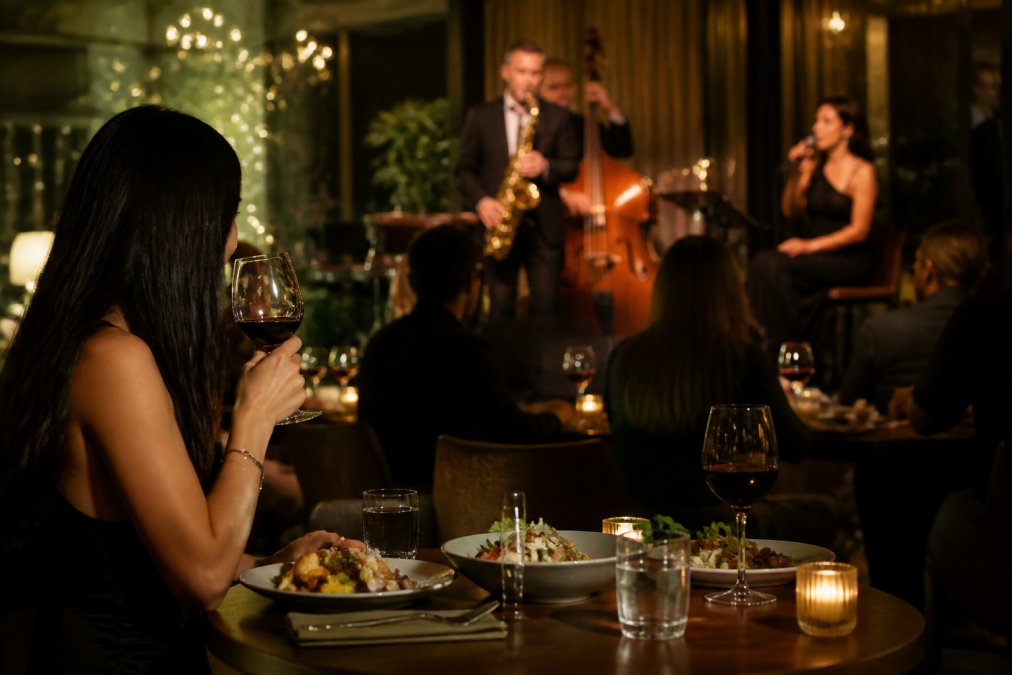
Live music dining combines quality food, thoughtful acoustics, and live performance into a single cohesive evening. The difference between a truly memorable night and a dinner that merely has a band in the corner comes down to intentionality. Great venues design every element around the guest experience: the performance stage is positioned so music fills the room without overwhelming conversation, lighting shifts subtly between dinner service and performance hours, and kitchen timing is calibrated so dishes arrive between sets rather than during delicate acoustic moments.
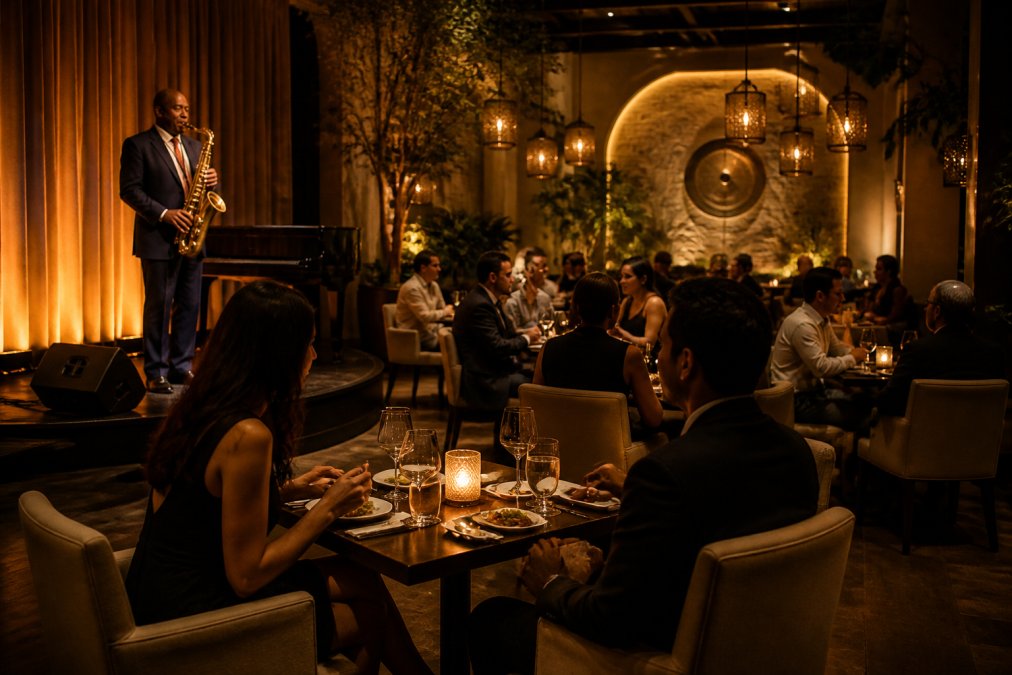
The best venues treat music as a co-equal element alongside cuisine and hospitality, not as decoration. That distinction shows up in everything from sound system investment to the curation of local talent.
| Element | What to Look For | Why It Matters |
|---|---|---|
| Acoustics | Treated walls, controlled reverb | Conversation stays comfortable |
| Stage placement | Away from main dining flow | Music fills room without crowding guests |
| Performance timing | Sets timed around dinner service | No dish interruptions during key moments |
| Genre curation | Matches venue atmosphere | Enhances rather than clashes with ambiance |
| Sound level | Conversational at table distance | Guests can still talk comfortably |
Acoustic vs. Amplified: Why Volume Levels Matter at Dinner
Volume is the single most common complaint about live music dining, and it's almost entirely preventable. Acoustic sets from a solo guitarist or jazz trio sit at a conversational soundscape level that enriches the dining experience without forcing guests to shout across the table. Amplified performances can push decibel levels high enough to make ordering a second round feel like a logistics challenge.
Acoustic performances work beautifully in intimate dining rooms with 40 to 80 seats. Amplified sound requires either a larger physical space, professional acoustic treatment on walls and ceiling, or both. When evaluating any venue, ask whether the live entertainment is acoustic or amplified, that single question tells you more about your evening's comfort level than any review.
Performance Schedules and the Best Times to Go
A common mistake is arriving expecting live music only to discover the performance doesn't start until 9 p.m., an hour after dessert. Jazz clubs and piano bars typically begin dinner service music around 7 p.m., with a second set at 9 p.m. Gastropubs and casual venues often schedule performers from 6 to 8 p.m. to capture the family dinner crowd.
For an intimate dinner with music as ambiance, aim for the first set. For a fuller nightlife experience, the second set offers more energy. Always confirm the performance schedule directly with the venue before booking.
Upscale Restaurants with Live Music: What to Look For
Upscale restaurants with live music demand more than good food and a guitarist. The hospitality has to work harder because guests are paying a premium for a complete experience, and any weak link is more noticeable against that backdrop.
According to the National Restaurant Association's dining trends guidance, demand for experiential dining continues to grow as guests seek more than a meal. This shift has pushed many fine dining operators to integrate live entertainment as a core feature.
Ambiance, Seating, and Sound Quality
Ambiance in a live music context is the relationship between physical space, music, and guest comfort. Seating capacity matters: a room too large feels cold and disconnected, while one too small becomes acoustically overwhelming.
Sound quality is where many venues cut corners. Professional-grade audio-visual setups, properly positioned speakers, and a sound engineer who understands dinner service dynamics separate venues that do live music well from those that merely tolerate it. Patio seating works better with acoustic sets than amplified performances, where sound disperses quickly.
Look for venues that have invested in physical infrastructure, not just talent booking.
Cuisine Quality and Dietary-Inclusive Menus
The food must hold its own. A venue can have the best jazz trio in the region, but mediocre cuisine makes the evening fall flat. The benchmark should be the same as any fine dining destination: fresh, high-quality ingredients, chef-driven creativity, and careful presentation.
Dietary-inclusive menus are increasingly decisive for group dining. A table of six almost always includes at least one guest with a dietary restriction. Venues offering genuine options rather than token substitutions earn repeat visits. Before booking, check whether the menu accommodates your group's needs.
Fine Dining Music Licensing Requirements Explained
Music licensing is the legal framework governing whether a restaurant can play live or recorded music commercially. Any venue featuring live entertainment or background music must hold appropriate public performance licenses, typically through performing rights organizations.
The three primary performing rights organizations in the United States are ASCAP, BMI, and SESAC. As noted in ASCAP's licensing resources for restaurants and bars, businesses hosting live music or playing recorded music publicly must obtain licenses that compensate songwriters and composers. Operating without these licenses exposes venues to significant legal liability.
For diners, licensed venues signal professional, compliant operation. The BMI music licensing guide for restaurants and bars outlines required licenses based on venue size, seating capacity, and whether music is live or recorded. Most established fine dining venues carry all necessary licenses as a standard cost of doing business.
How to Choose a Restaurant for a Special Occasion
Choosing a restaurant for a special occasion requires a different decision framework than casual dining. The margin for error is smaller and emotional stakes are higher.
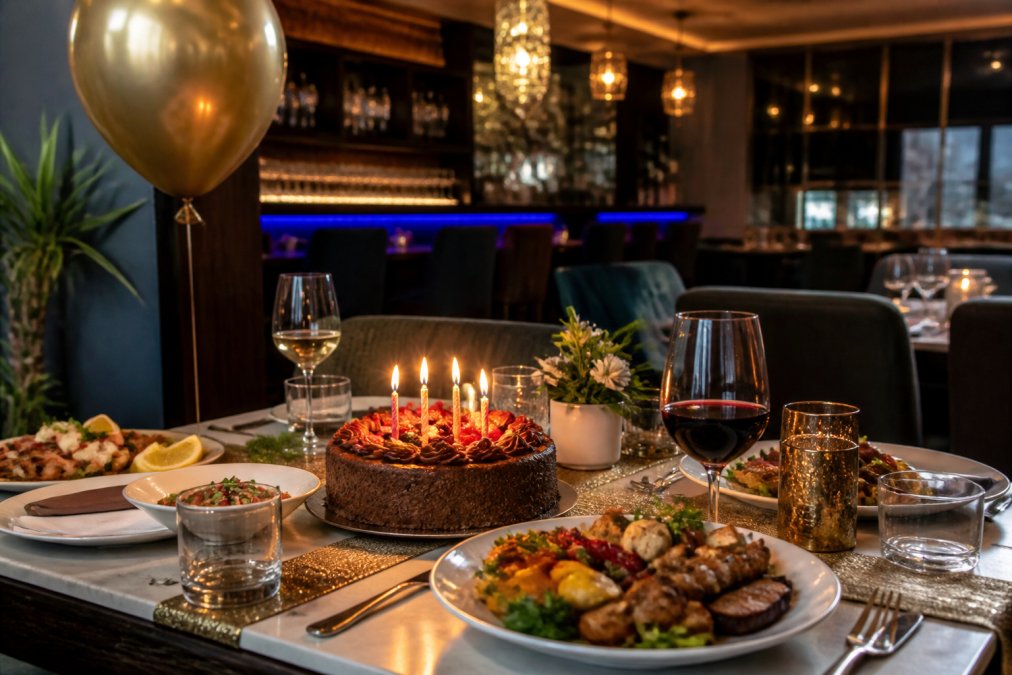
Start with occasion type. An anniversary dinner calls for intimacy and lower ambient noise. A birthday celebration for a group needs flexible seating and broad menu appeal. A business dinner prioritizes a quieter atmosphere and a sophisticated wine list.
Service style matters as much as food. A kitchen that executes perfectly but a floor team that rushes you through courses leaves a worse impression than a slightly imperfect meal delivered with genuine warmth.
Budget-Tier Filtering: Matching the Venue to Your Night
Budget-tier filtering matches venue pricing to the occasion's value, not just finding the most expensive option.
A useful framework:
- Everyday upscale: Polished atmosphere, quality cocktails, live entertainment on select nights. Suitable for date nights and casual celebrations.
- Special occasion fine dining: Full-service venues with curated wine programs and consistent live performance. Appropriate for anniversaries and milestone birthdays.
- Premium event dining: Private dining rooms, customized catering, and dedicated event coordination. Best for rehearsal dinners and large celebrations.
The mistake most people make is choosing purely by price rather than by fit. Contact venues directly for current pricing rather than relying on outdated listings. Many adjust pricing seasonally.
Happy Hour, Cocktails, and the Full Nightlife Experience
Happy hour at a live music dining venue is an entry point to the full evening experience: guests arrive for drink specials, settle into the atmosphere, and naturally extend their visit into dinner service and the late-night performance set.
A well-designed cocktail menu is central to this experience. Handcrafted cocktails using fresh herbs, house-made syrups, or spirits that complement the food signal that the bar program is as intentional as the kitchen. A curated playlist during the pre-performance window maintains the soundscape without overwhelming early arrivals.
The full nightlife experience unfolds in layers: cocktails during happy hour, dinner service with live entertainment mid-evening, and a more energized atmosphere as the night progresses. For groups celebrating a milestone, arriving during happy hour and staying through the first performance set is optimal.
Blue Eye Bistro: A Live Music Dining Alternative Worth Knowing
Blue Eye Bistro is an upscale live music dining destination in South Texas combining Mediterranean and Lebanese cuisine, handcrafted cocktails, and live jazz and blues performances. For anyone seeking a Tempo88BTX alternative for live music dining, Blue Eye Bistro represents a genuinely distinct option rather than a lateral move.
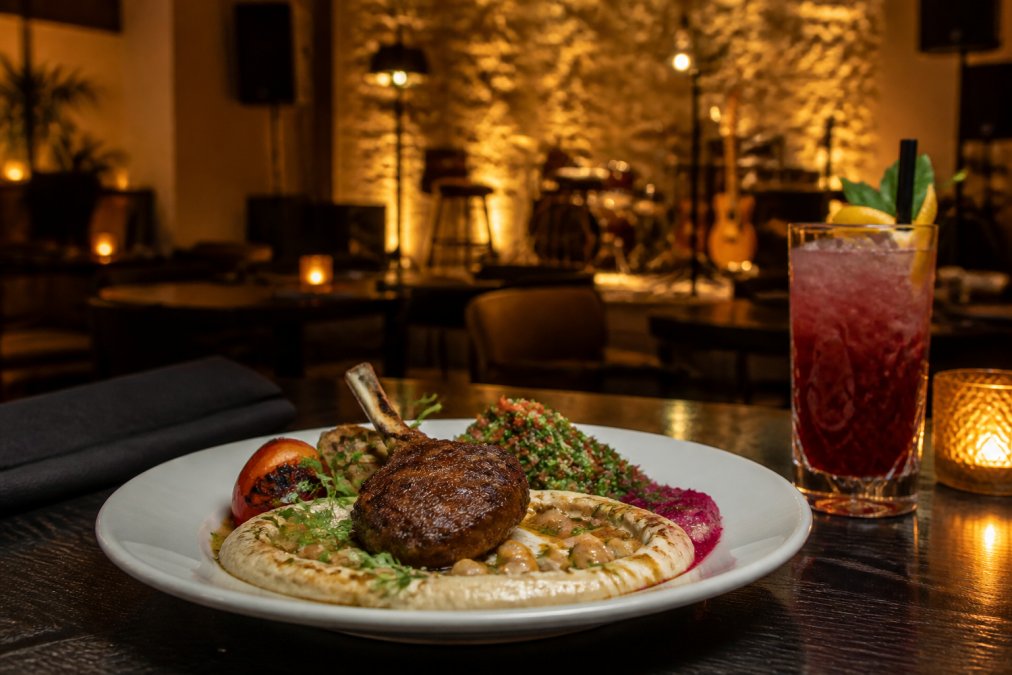
The venue's identity is built around the intersection of culinary authenticity and performance quality. Many restaurants add live music as an afterthought; Blue Eye Bistro was designed around it.
Mediterranean Cuisine Meets Jazz and Blues
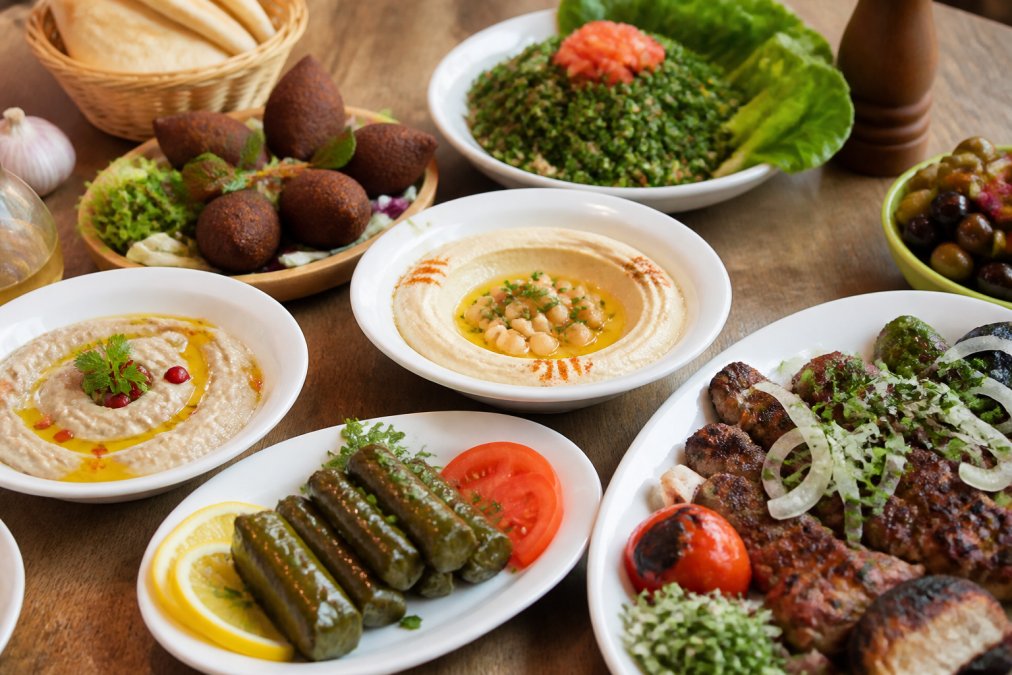
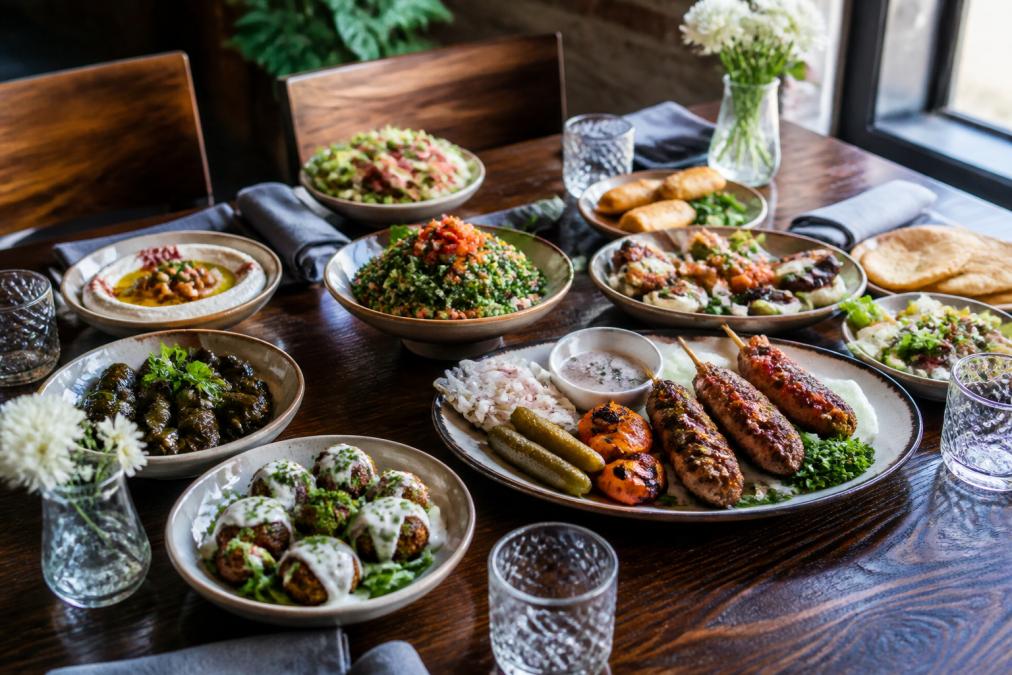
The culinary program centers on authentic Lebanese and Mediterranean recipes built from fresh ingredients, premium meats, and seafood. The menu draws on family-recipe foundations alongside chef-inspired creations, producing dishes with genuine culinary heritage rather than generic approximations.
Lebanese cuisine has a specific flavor profile, bright citrus, warm spices, fresh herbs, and quality olive oil, that reads immediately as authentic when executed correctly. The jazz and blues programming complements the culinary identity. Both traditions share an emphasis on craft, improvisation within structure, and depth that rewards attention.
Guests with dietary needs will find the Mediterranean framework naturally accommodating. Many traditional Lebanese dishes are vegetarian by origin, and the menu's emphasis on fresh ingredients supports dietary flexibility.
Reservations, Walk-Ins, and Online Ordering
Blue Eye Bistro accepts both reservations and walk-ins. For special occasions, a reservation ensures you get the seating arrangement and timing that fits your evening.
The rewards program for online orders lets guests earn points redeemable for free food, making Blue Eye Bistro compelling for both one-time celebrations and ongoing neighborhood dining. Online ordering is available for pickup or delivery. Full-service catering with customized menus is also available for private events.
For current pricing and availability, visit Blue Eye Bistro's official website directly. The venue accommodates both intimate tables and larger party configurations, with staff known for genuine warmth that makes it practical for celebrations where social dynamics matter.
Finding the right live music dining experience requires a venue that delivers on food quality, sound management, performance scheduling, and hospitality simultaneously. Blue Eye Bistro was built to get all four right, combining authentic Mediterranean cuisine with a cocktail lounge, live jazz and blues, and a rewards program that makes every visit more valuable. Visit blueeyebistro.com to explore the menu, check the performance schedule, or place an online order and start earning points toward your next evening out.
Frequently Asked Questions
What should I look for when choosing a restaurant for live music and fine dining?
Start with sound quality and volume. A good live music dining venue keeps acoustic levels low enough for conversation, typically through acoustic panels or controlled amplification. Check whether the venue publishes a performance schedule so you can plan around the music you prefer. Evaluate the menu depth, cocktail program, and whether the kitchen accommodates dietary needs. Finally, read recent guest reviews that mention both the food and the atmosphere together, not just one or the other.
Do restaurants need a license to play live music?
Yes. Any restaurant hosting live music in the United States must obtain performance licenses from the relevant performing rights organizations, primarily ASCAP, BMI, and SESAC. These licenses cover the public performance of copyrighted songs. Fees are calculated based on factors like venue capacity, frequency of performances, and whether admission is charged. Reputable upscale restaurants handle this compliance before booking their first musician.
What factors define an upscale live music dining experience?
Three things separate a genuine upscale live music dining experience from a bar with background noise: intentional sound design that keeps music at a conversational level, a kitchen that treats the food as seriously as the entertainment, and hospitality that makes guests feel attended to throughout the evening. Curated performance schedules featuring local talent, a thoughtful cocktail menu, and comfortable patio or indoor seating arrangements all contribute to the overall sensory experience guests remember.
How does Mediterranean cuisine pair with live musical performances?
Mediterranean cuisine pairs well with live music because the dining style naturally encourages a slower, more social pace. Shared plates, rich flavors, and handcrafted dishes give guests something to talk about between sets. Jazz and blues, in particular, complement the warm, layered character of Lebanese and Mediterranean food. The unhurried tempo of acoustic or lightly amplified performances matches the rhythm of a multi-course dinner, making the overall experience feel cohesive rather than disjointed.
Are there dress codes at upscale live music venues?
Most upscale live music dining venues in the United States follow a smart-casual to business-casual dress code rather than a strict formal policy. The goal is an atmosphere that feels elevated without being rigid. When in doubt, check the venue's website or call ahead. Venues that host jazz, blues, or piano bar performances tend to attract guests who dress up slightly for the occasion, which contributes to the overall ambiance without requiring a specific attire policy.
This article was written using GrandRanker