 comparison
La Pampa vs Upscale Mediterranean Dining: Which Fits Your Night
Table of Contents
- La Pampa: Argentine Steakhouse Tradition
- What Defines Upscale Mediterranean Dining
- Cuisine: Mediterranean vs Steakhouse Dining Experience
- Atmosphere, Ambiance, and Dining Experience
- Service Standards and Hospitality
- Occasion-Based Suitability: Which Restaurant Fits Your Night
- Dietary Accommodations and Menu Flexibility
- Why Blue Eye Bistro Stands Out in Upscale Mediterranean Dining
Last Updated: August 27, 2026
La Pampa: Argentine Steakhouse Tradition
Argentine steakhouse dining centers on grilled food and premium beef cuts prepared with time-honored techniques passed down through generations (peer-reviewed research). La Pampa represents this culinary heritage, where the focus remains laser-sharp on sourcing exceptional meat and executing the grill with precision. The restaurant's identity is built on the ranch-style traditions of Argentina's cattle country, where beef isn't just a protein, it's the foundation of a dining philosophy.
What defines the Argentine steakhouse experience is the commitment to simplicity and quality. Rather than elaborate sauces or complex preparations, the meat speaks for itself. Diners expect perfectly seasoned cuts, often just salt and chimichurri, cooked over an open flame to bring out the natural flavors. This approach reflects the gaucho heritage of South America's ranching culture, where grilled meat prepared over fire was the standard meal.
The atmosphere at Argentine steakhouses typically emphasizes warmth and convivial gathering. Expect wood-fired grills visible from the dining room, leather accents, and a focus on shared dining experiences. Service is attentive but unpretentious. The wine program centers on Argentine varietals, particularly Malbec, which pairs naturally with the rich, seasoned beef. For diners seeking a straightforward, meat-centric experience rooted in authentic culinary heritage, La Pampa delivers exactly what the format promises: quality beef, honest preparation, and genuine hospitality.
What Defines Upscale Mediterranean Dining
Upscale Mediterranean dining represents a broader culinary canvas than the steakhouse model. This style draws from the coastal and regional traditions of Southern Europe, Greece, Italy, Spain, Lebanon, and beyond, blending seafood, vegetables, olive oil, and grains into a more varied flavor profile. Mediterranean cuisine emphasizes freshness, seasonal ingredients, and techniques refined over centuries of coastal trade and cultural exchange (the WHO).
The distinction matters: where Argentine steakhouses build the entire experience around beef, upscale Mediterranean dining explores multiple protein selections, preparation methods, and flavor combinations. A Mediterranean menu might feature rack of lamb alongside seafood plates, poultry preparations, and vegetable-forward dishes. The à la carte approach allows diners to build their own experience rather than following a singular culinary thread.
What separates upscale Mediterranean from casual Mediterranean is execution, ingredient quality, and presentation. An upscale Mediterranean restaurant sources premium seafood, uses imported oils and specialty ingredients, and plates dishes with visual sophistication. The wine list extends beyond house pours to include selections from Mediterranean regions. Service standards emphasize knowledge, staff can discuss sourcing, preparation techniques, and pairing recommendations. The ambience combines European influence with modern design, creating a refined dining environment that honors culinary tradition while avoiding the trap of feeling like a museum piece.
Cuisine: Mediterranean vs Steakhouse Dining Experience
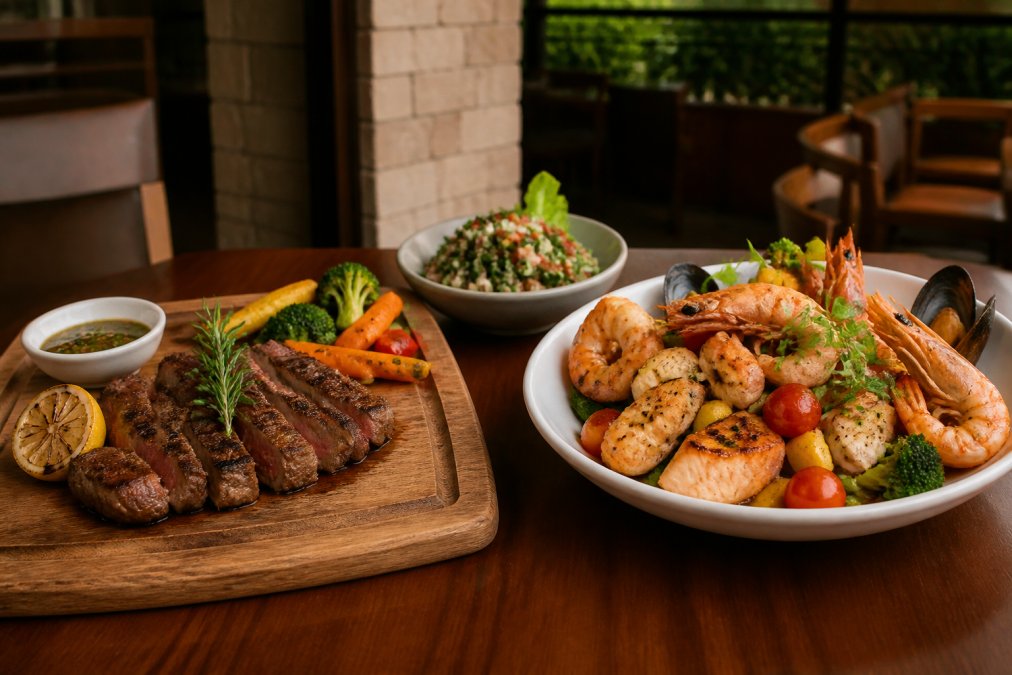
The fundamental difference lies in protein selection and preparation philosophy. Argentine steakhouse cuisine revolves around beef, specifically, premium cuts like ribeye, strip steak, and rack of lamb, all grilled to highlight the meat's natural qualities. The seasoning is minimal; the grill work is everything. Diners come for beef expertise and consistency.
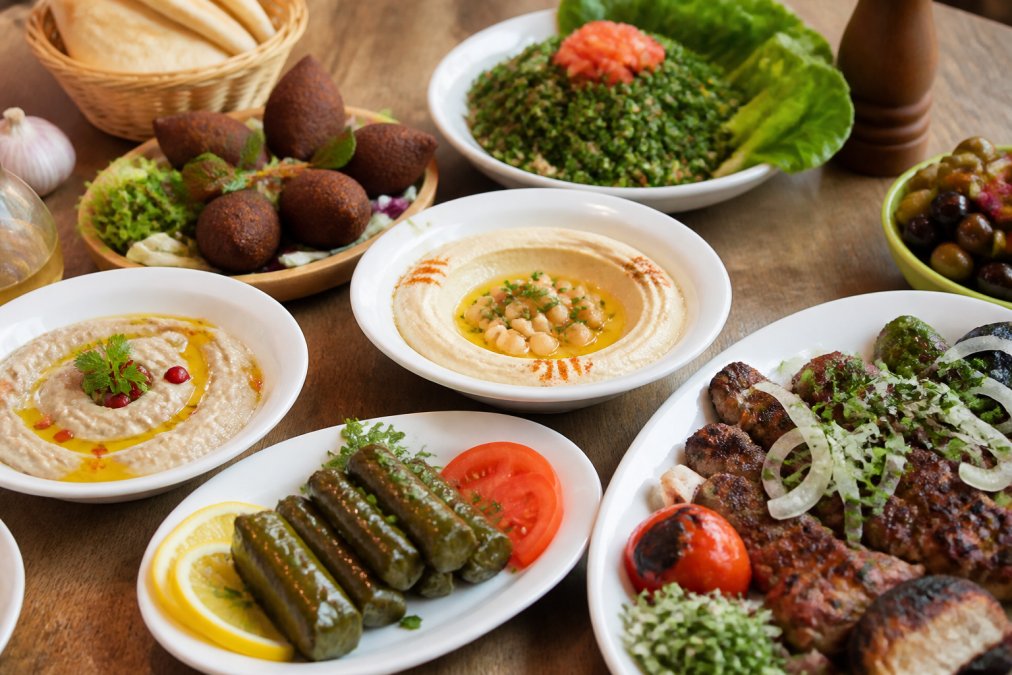
Mediterranean cuisine takes a different approach. Seafood plates might feature branzino, sea bass, or octopus prepared with olive oil, lemon, and herbs. Poultry appears as grilled chicken or duck breast with Mediterranean spice profiles. Beef exists on the menu but competes for attention with other proteins. The flavor profile emphasizes brightness, citrus, herbs like oregano and thyme, garlic, and quality olive oil create dishes that feel fresh and balanced rather than rich and savory.
Preparation techniques also diverge. Steakhouse cooking relies on high-heat grilling to develop crust and preserve the meat's natural flavors. Mediterranean cooking employs a broader range of techniques: pan-searing, braising, slow-roasting, and raw preparations like carpaccio. A Mediterranean chef might cure seafood, prepare vegetables as a centerpiece rather than a side, or build complex sauces from regional ingredients.
The dining experience reflects these differences. At a steakhouse, you're tasting the quality of the beef and the skill of the grill master. At an upscale Mediterranean restaurant, you're experiencing regional culinary heritage, the way a Sicilian chef approaches seafood differs from how a Lebanese kitchen prepares lamb. The gastronomy is more exploratory.
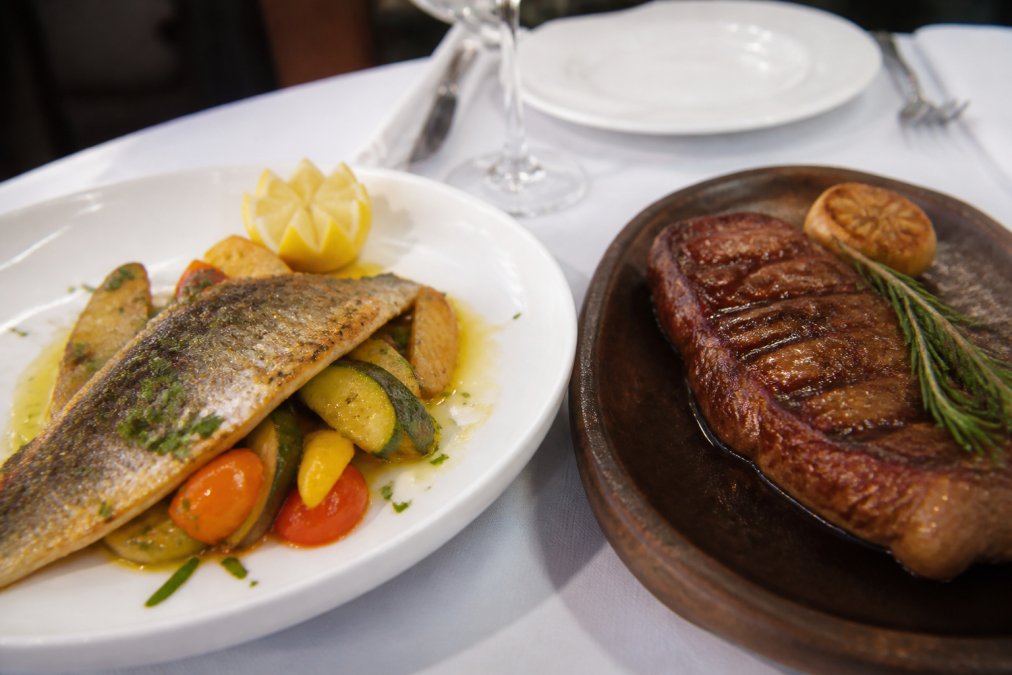
| Aspect | Argentine Steakhouse | Upscale Mediterranean |
|---|---|---|
| Primary Protein | Beef (ribeye, strip, lamb) | Seafood, poultry, beef equally featured |
| Flavor Profile | Rich, savory, meat-forward | Bright, balanced, herb-driven |
| Signature Technique | High-heat grilling | Pan-searing, braising, raw preparations |
| Seasoning Approach | Minimal (salt, chimichurri) | Complex (herbs, citrus, olive oil) |
| Vegetable Role | Supporting side | Potential centerpiece |
| Wine Pairing | Argentine Malbec, bold reds | Mediterranean whites, rosés, lighter reds |
| Best For | Beef lovers seeking specialization | Diners seeking culinary variety |
Atmosphere, Ambiance, and Dining Experience
Argentine steakhouses prioritize a convivial, unpretentious atmosphere. The design aesthetic leans toward rustic elegance, leather banquettes, wood elements, and visible grills create a space that feels both upscale and approachable. The energy is social; these restaurants encourage conversation and group dining. Service is warm and knowledgeable about beef, but the tone remains casual and welcoming.
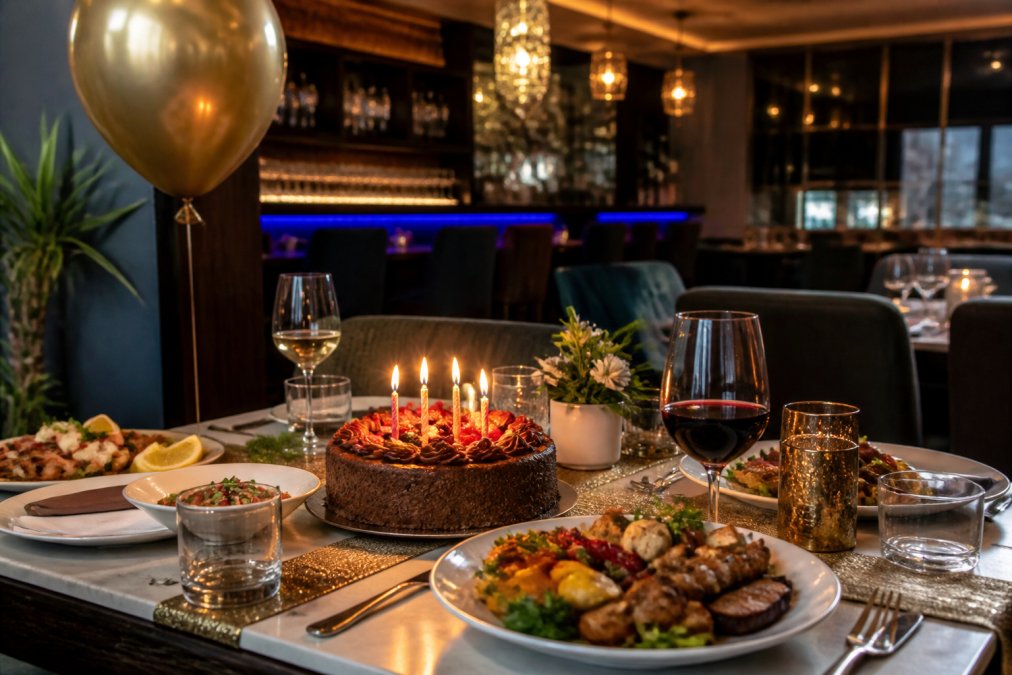
Upscale Mediterranean dining cultivates a different ambiance. The design often incorporates Mediterranean architectural elements, warm lighting, stone accents, perhaps a wine wall, creating an atmosphere of refined sophistication. The space feels intentionally designed for intimate occasions or special celebrations. Service is more formal and anticipatory; staff members are trained to guide diners through the menu and explain regional connections.
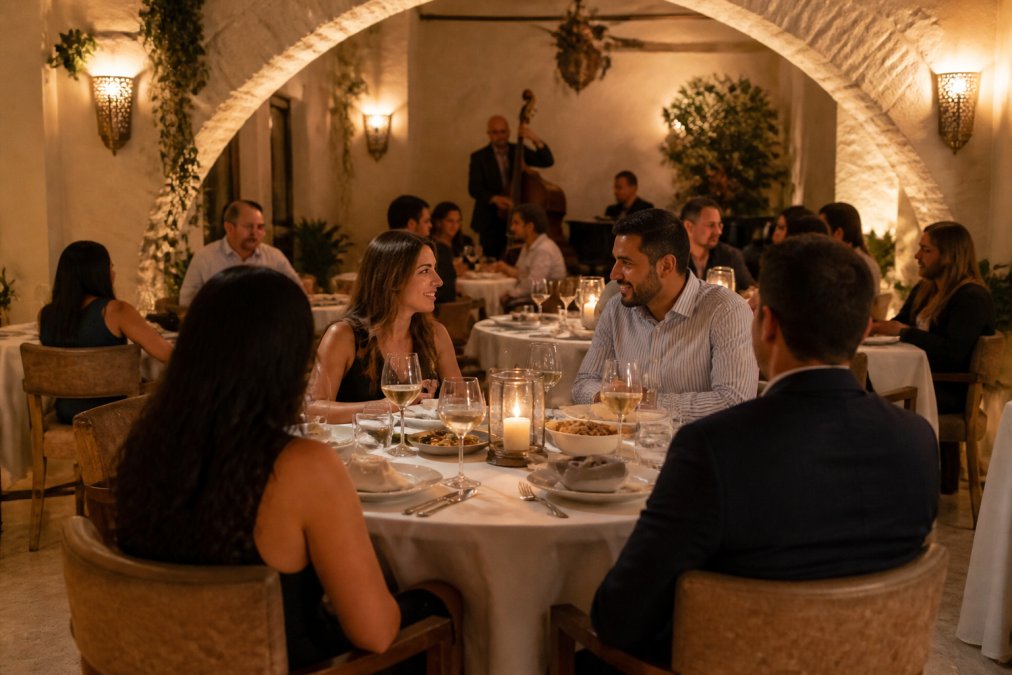
The difference in ambiance shapes the experience itself. A steakhouse invites you to relax and enjoy straightforward pleasures. An upscale Mediterranean restaurant invites you to slow down and engage with culinary storytelling. One feels like gathering with friends; the other feels like a deliberate occasion.
Blue Eye Bistro exemplifies this upscale Mediterranean approach. The atmosphere combines sophisticated design with warm hospitality, you're welcomed into an experience that honors culinary tradition while making you feel genuinely cared for. The addition of handcrafted cocktails and live music transforms the dining room into a complete sensory experience, rather than simply a place to eat.
Service Standards and Hospitality
Argentine steakhouse service prioritizes efficiency and knowledge. Staff members understand beef, they can discuss cuts, aging processes, and cooking preferences with authority. They move through the dining room with purpose, ensuring glasses stay full and plates are cleared promptly. The hospitality is genuine but not elaborate; the focus remains on delivering what the diner ordered, prepared well.
Upscale Mediterranean restaurants operate under different service standards (edu). Staff training emphasizes not just menu knowledge but regional context, where ingredients come from, how dishes connect to Mediterranean culinary heritage, and how wines pair with specific preparations. Service is more attentive and anticipatory. Servers might suggest dishes based on your preferences rather than simply taking your order. The pace is intentionally slower, allowing time for conversation and course progression.
The hospitality philosophy differs as well. Steakhouse hospitality says, "We're giving you exceptional beef in a welcoming environment." Mediterranean hospitality says, "We're inviting you into a culinary journey and ensuring every detail enhances that experience." One prioritizes satisfaction; the other prioritizes engagement.
Occasion-Based Suitability: Which Restaurant Fits Your Night
Your choice between these dining styles depends on what the occasion demands.
Choose Argentine steakhouse dining for: A casual celebration with friends, a business dinner where the focus is on conversation rather than culinary exploration, a night when you want excellence without pretension, occasions where the guest of honor is a beef enthusiast. The relaxed atmosphere and straightforward excellence make steakhouses ideal for groups of varying dining sophistication. Everyone knows what to expect, and the experience rarely disappoints.
Choose upscale Mediterranean dining for: An intimate date night where you want to create a special atmosphere, celebrations where culinary experience is part of the gift, occasions when you want to impress guests with refined taste, dinners where you want to explore and discuss food as the main event. The sophisticated ambiance and complex flavors make Mediterranean dining suitable for occasions that call for deliberate elegance.
Blue Eye Bistro serves both purposes, though it leans into the Mediterranean occasion model. The combination of handcrafted cocktails, live music, and sophisticated cuisine makes it ideal for milestone celebrations, date nights, and special gatherings where atmosphere matters as much as the food itself. The warm hospitality ensures that even guests who don't consider themselves "fancy dining people" feel welcomed and comfortable.
Dietary Accommodations and Menu Flexibility
Argentine steakhouses face inherent limitations with dietary accommodations. The menu centers on beef, which eliminates the option for vegetarian or vegan diners to experience the restaurant's core offering. While most steakhouses offer fish and vegetable sides, these feel like afterthoughts rather than intentional menu components. Gluten-free diners can usually find options, but the focus remains narrow.
Upscale Mediterranean restaurants offer significantly more flexibility. A Mediterranean menu naturally includes seafood preparations, vegetable-forward dishes, and poultry options. Vegetarian diners can typically construct a satisfying meal from appetizers and sides. Vegan accommodations are more feasible since Mediterranean cuisine relies heavily on olive oil, vegetables, and plant-based proteins like legumes. Gluten-free options are generally easier to accommodate since many Mediterranean dishes don't rely on bread as a core component.
This difference matters for mixed groups. If your party includes vegetarians, pescatarians, or diners with specific dietary preferences, an upscale Mediterranean restaurant accommodates variety without making anyone feel like they're settling for a reduced experience. A steakhouse requires some diners to work around the core menu rather than within it.
Why Blue Eye Bistro Stands Out in Upscale Mediterranean Dining
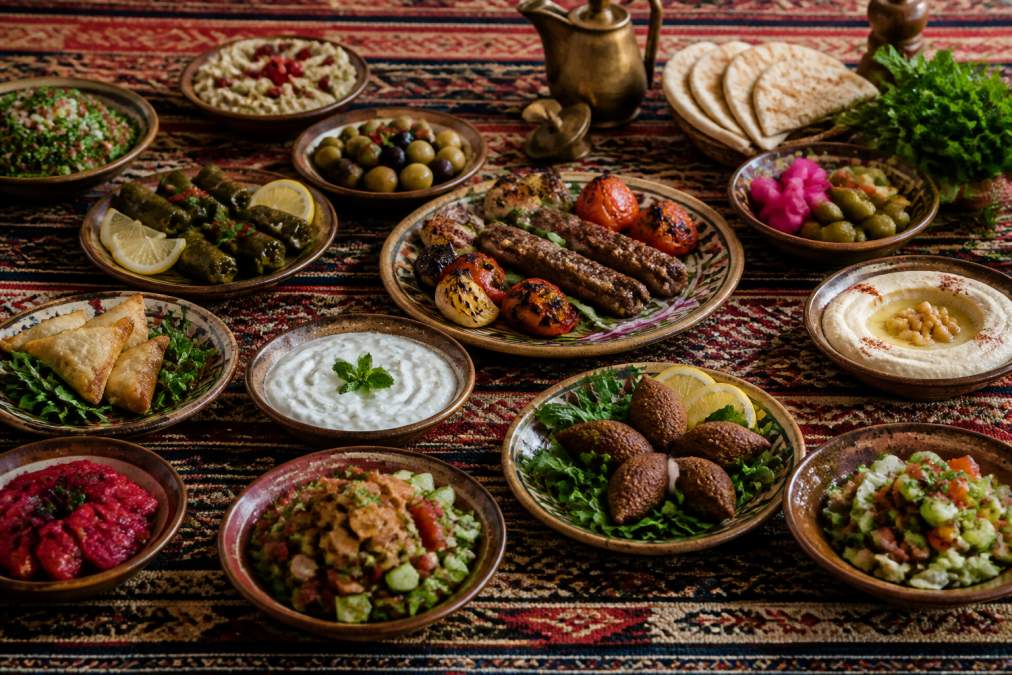
Blue Eye Bistro occupies a distinct position in the upscale Mediterranean dining landscape. Rather than choosing between Mediterranean authenticity and modern elegance, the restaurant blends both. The menu celebrates authentic Lebanese and Mediterranean cuisine, drawing from culinary roots that span generations, while the presentation and service standards reflect contemporary fine dining expectations.
The distinction matters. Many Mediterranean restaurants either lean too heavily into casual authenticity or sacrifice regional character for contemporary design trends. Blue Eye Bistro maintains the balance. The menu features signature dishes rooted in traditional preparation techniques, but each plate arrives beautifully presented and thoughtfully composed. The seafood plates showcase freshness and flavor profile complexity. The meat selections, including premium cuts prepared with Mediterranean spice and technique, demonstrate that Mediterranean dining doesn't require sacrificing quality protein.
What separates Blue Eye Bistro further is the complete experience architecture. The handcrafted cocktails aren't an afterthought; they're designed to complement the cuisine. The wine list reflects genuine curation rather than generic selections. The live jazz and blues music creates ambiance that feels intentional rather than piped in. The warm hospitality, evident in how staff engage with guests, transforms dining into genuine connection rather than transactional service.
The catering program deserves specific mention. For special occasions, Blue Eye Bistro offers customized menus that bring the same culinary standards and hospitality to your event. The rewards program for online orders recognizes that not every interaction needs to be a full dining experience; sometimes you want to bring the flavors home. These details signal a restaurant that understands its audience and serves them across multiple occasions.
For couples seeking an intimate date night, food enthusiasts wanting authentic Mediterranean cuisine, social groups celebrating together, and professionals hosting business dinners, Blue Eye Bistro delivers on the promise of upscale Mediterranean dining without the stuffiness that sometimes accompanies fine dining. The authenticity is genuine. The elegance is earned through execution, not imposed through formality.
Choosing between Argentine steakhouse tradition and upscale Mediterranean dining comes down to what you're seeking from the experience. Steakhouses excel at focused excellence, beef expertise, convivial atmosphere, straightforward satisfaction. Mediterranean dining offers culinary exploration, refined ambiance, and the opportunity to experience regional culinary heritage prepared with modern precision. For those in South Texas seeking an upscale dining destination that honors Mediterranean tradition while delivering contemporary hospitality, Blue Eye Bistro represents the best of what upscale Mediterranean dining can be. Order online through their rewards program, or visit to experience the combination of authentic cuisine, handcrafted cocktails, and warm hospitality that defines their approach to fine dining.
Frequently Asked Questions
What defines an upscale Mediterranean dining experience?
Upscale Mediterranean dining combines authentic culinary heritage with refined presentation and service. Expect fresh seafood, grilled meats, seasonal vegetables, and olive oil-based dishes prepared with precision. The experience includes carefully selected wines, attentive hospitality, and an ambiance that reflects Mediterranean elegance through decor and atmosphere. Quality ingredients, authentic preparation techniques, and attention to flavor profiles distinguish it from casual dining.
How does the menu at a traditional steakhouse compare to Mediterranean cuisine?
Steakhouses focus on premium beef cuts, grilled to specification, with hearty sides and classic sauces. Mediterranean dining emphasizes seafood, poultry, and vegetables alongside select meat options, using olive oil, fresh herbs, and regional spices. Steakhouses offer à la carte beef selections; Mediterranean restaurants feature diverse tasting menus and small plates. Both provide upscale experiences, but steakhouses center on meat mastery while Mediterranean kitchens showcase ingredient freshness and culinary heritage across multiple protein and vegetable options.
What should I look for when choosing a high-end restaurant for a special occasion?
Evaluate reservation availability, private dining options, and the restaurant's track record with special events. Check service standards through reviews and verify the menu offers flexibility for dietary needs. Consider ambiance, does the decor and music suit your celebration? Look for wine pairing programs and signature dishes. Confirm catering options if needed, and assess how the restaurant handles group dynamics. Warm hospitality, attentive staff, and a willingness to customize the experience signal a venue that values your occasion.
Is Mediterranean food considered a healthier upscale dining option?
Mediterranean cuisine emphasizes olive oil, fresh seafood, vegetables, and herbs, ingredients associated with heart-healthy eating patterns. The focus on grilled preparations and minimal heavy sauces makes it lighter than many steakhouse options. However, upscale Mediterranean restaurants still use butter and cream in select dishes. The key difference is ingredient quality and preparation philosophy: Mediterranean cooking highlights natural flavors rather than masking them with rich sauces. Both can be part of a balanced diet; Mediterranean dining simply tends toward fresher, less-processed components.
This article was written using GrandRanker